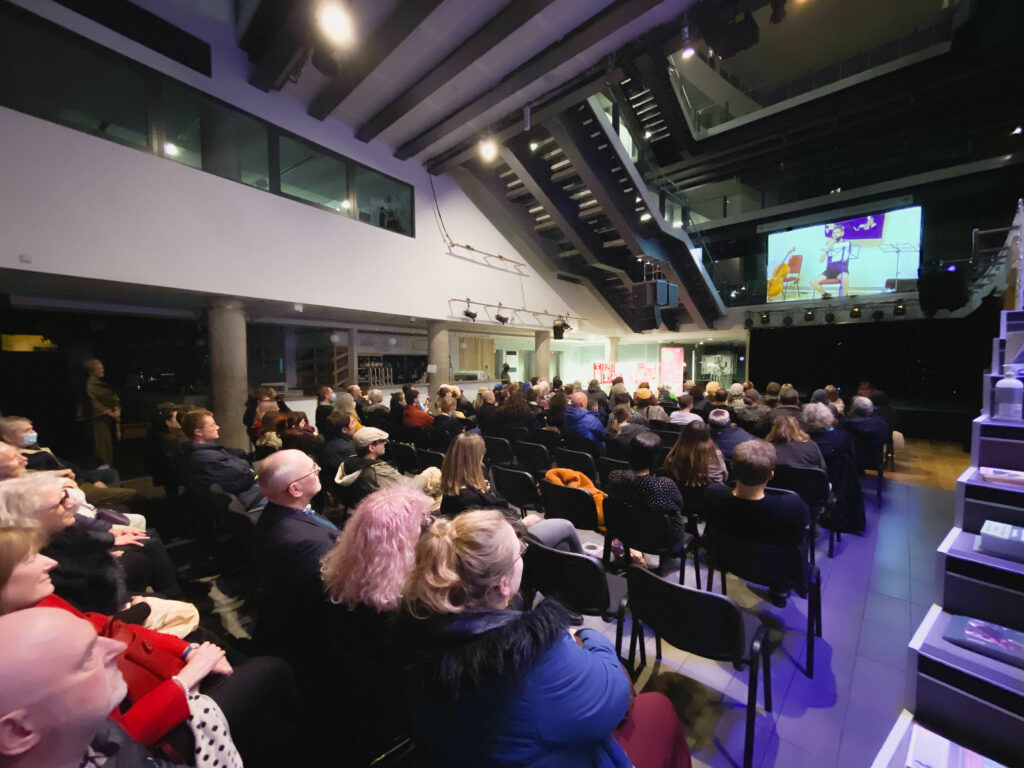
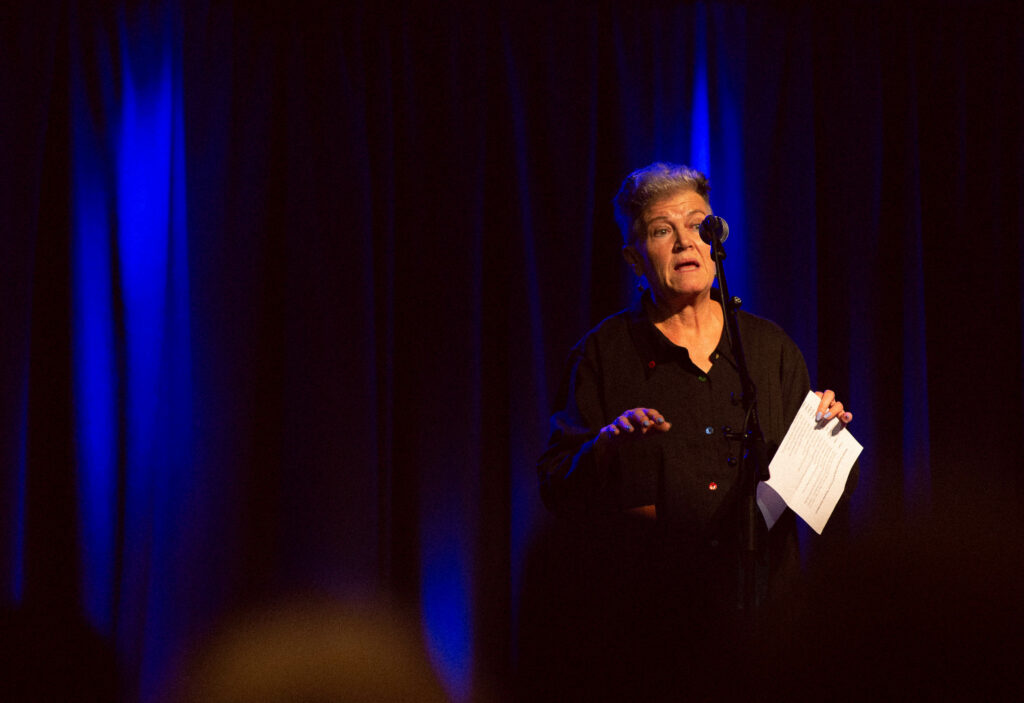
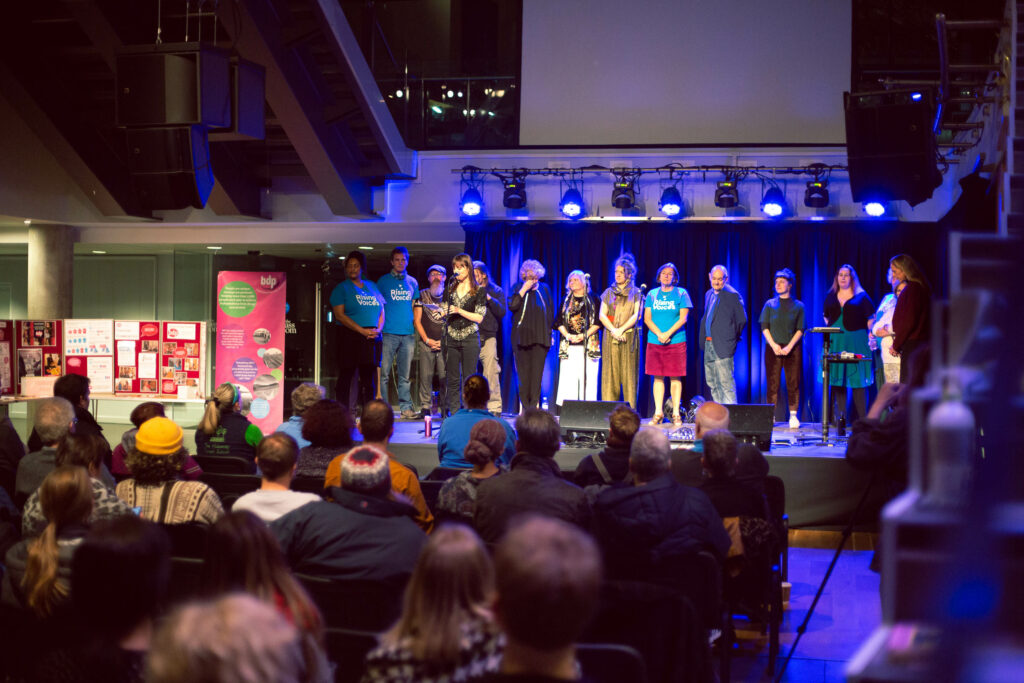
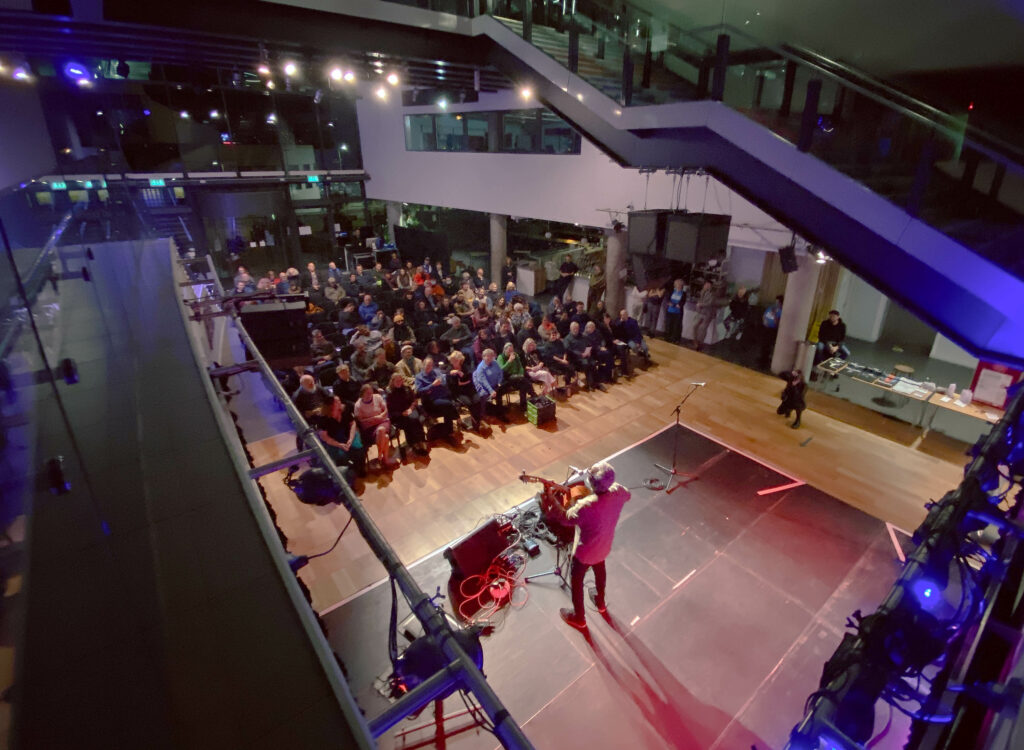
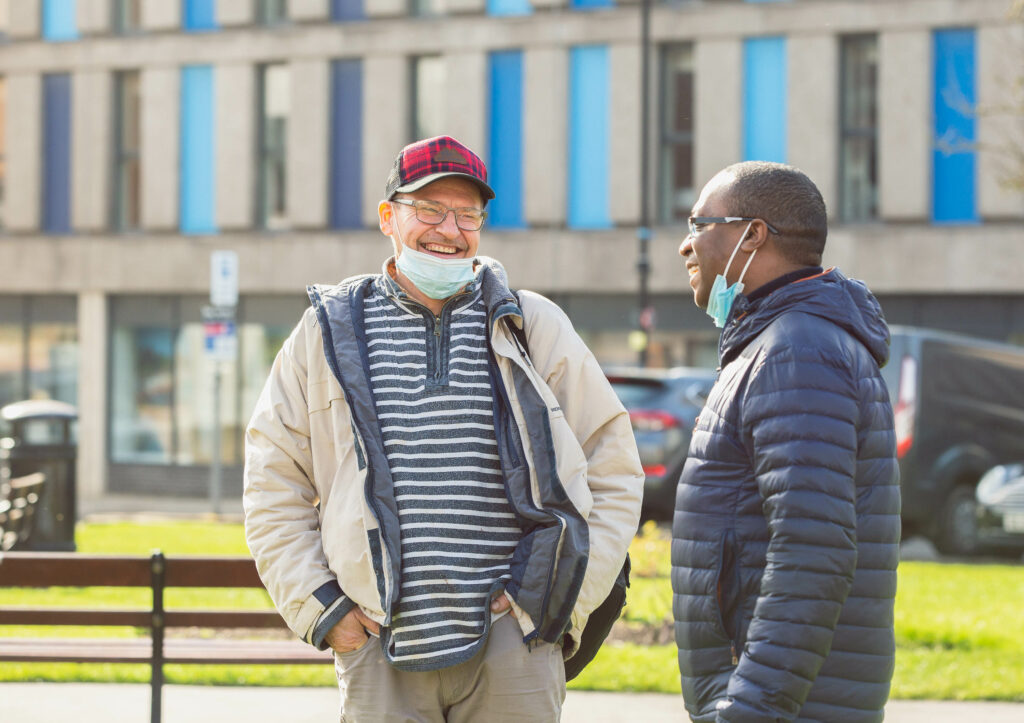
On Tuesday 23rd November, we presented the premiere of Filling the Void, a documentary about Bristol Recovery Orchestra. We had a fantastic evening enjoying live music and watching two films in the amazing space provided by Bristol Beacon. It was great to see so many of you the after the tickets sold out in advance. Our own Rising Voices Recovery Choir kicked things off with two moving songs and contributions from choir members about the vital role Rising Voices plays in their lives. We Are Not Saints artist Ella Hayes stunned the crowd with her fantastic voice and original songs, while Deiphos Jay continued the evening with his catchy tunes and engaging stage presence. Man Like Malcolm rounded out the musical performances with his incredible guitar playing and on-stage patter that had the crowd in stitches.
About the film
Filling the Void showcases the music and moving personal stories of Bristol Recovery Orchestra – A creative support group run by BDP and supported by Bournemouth Symphony Orchestra. It features interviews with the players and organisers concluding with the orchestra performing at the Reconnect, Recharge, Recover event in July 2021.
You can watch the film in full below.
Want to see more from BDP Creative Communities? Check out this playlist of our previous videos on our YouTube channel
About the director
Irene Carter is a documentary filmmaker originally from Bristol and based in London. She began her career studying documentary at Open City Doc School, where her graduation film was nominated for a prestigious RTS award. Her films focus on compelling stories about complex people with heart and humour at their centre. She works as a freelance filmmaker and develops new documentary ideas for a production company in London.
Our Creative Community groups sit outside of our main funding streams so are entirely funded by the goodwill of people like you by donating and by grant providers and other not-for-profit funders. If you value the work we do to support people through these creative support groups, please donate by visiting this link – https://bdp.enthuse.com/creativecommunities#!/
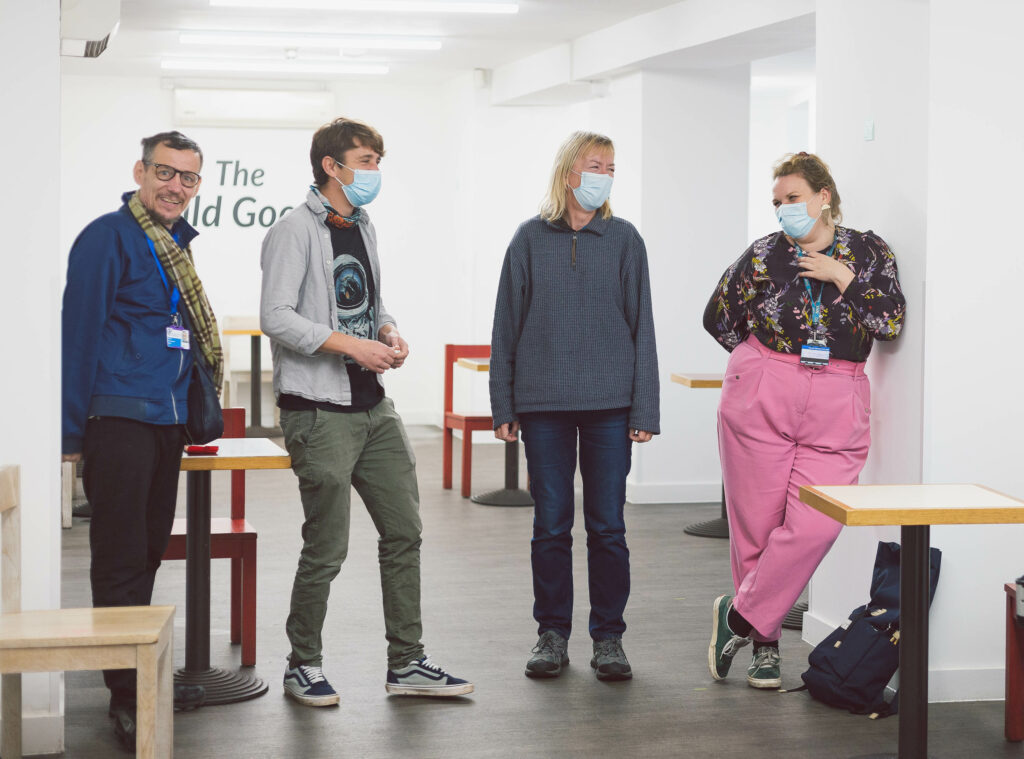
The staff of our wet clinic inside The Wild Goose Drop-in Centre, Bristol.
Being severely dependent on alcohol can mean that things that most of us don’t find challenging can become a real struggle. One of these things is accessing healthcare through a GP. If you are severely dependent on alcohol, stopping drinking suddenly is dangerous and can lead to seizures and fatalities: you do not have a choice to stop drinking. This can make lots of things challenging, including attending appointments or accessing services, as they don’t permit drinking or require you to be sober.
This is where our Wet Clinic steps in.
So what is a Wet Clinic?
A wet clinic is a friendly, welcoming setting where people can access health care and support without the need to stop drinking and are able to have alcohol on site. This increases access to care for people who often feel excluded from traditional health care settings. Bristol’s Wet Clinics are a lifeline for this particularly vulnerable population, who often have multiple chronic health conditions which risk remaining undiagnosed and untreated.
BDP’s Wet Clinic
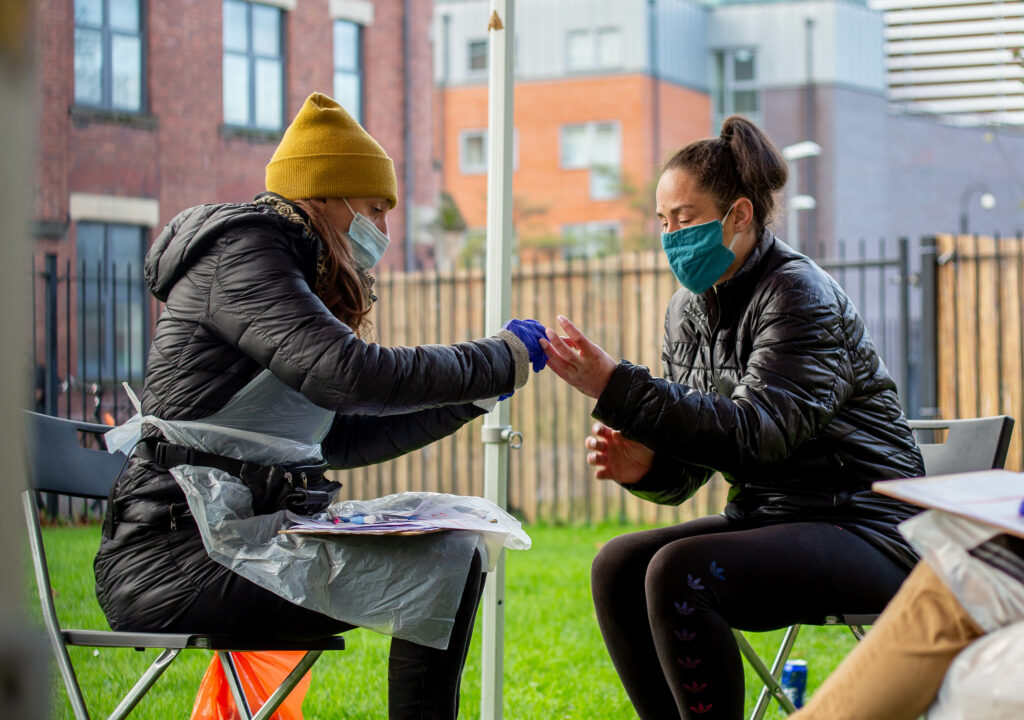
BDP runs two Wet Clinic sessions each week in collaboration with the Homeless Health Service. At these sessions, people can access support from a nurse, GP and a specialist BDP alcohol worker.
‘[Wet Clinic] is a lifeline in so many ways. Nowhere else can you just drop in and be seen for your problems, and the staff are bloody good people who go beyond their remit to help you. It’s the first step for many people and helps to slowly gain confidence in speaking to services.’
Steve – Service user
What’s on offer?
Access to a GP and a nurse
Flu jabs and COVID Vaccinations
Wound care
Referral to specialist drug and alcohol treatment and other support services
University is a time for self-discovery and experiencing the world away from the eyes of parental figures. For many, this means indulging in the nightlife and party scene of a new city and potentially experimenting with alcohol and other drugs. Most often, this leads to minimal harm except a hungover lecture and a greasy takeaway the next day, but for some, alcohol and other drugs can have a range of negative effects on an individual’s life.
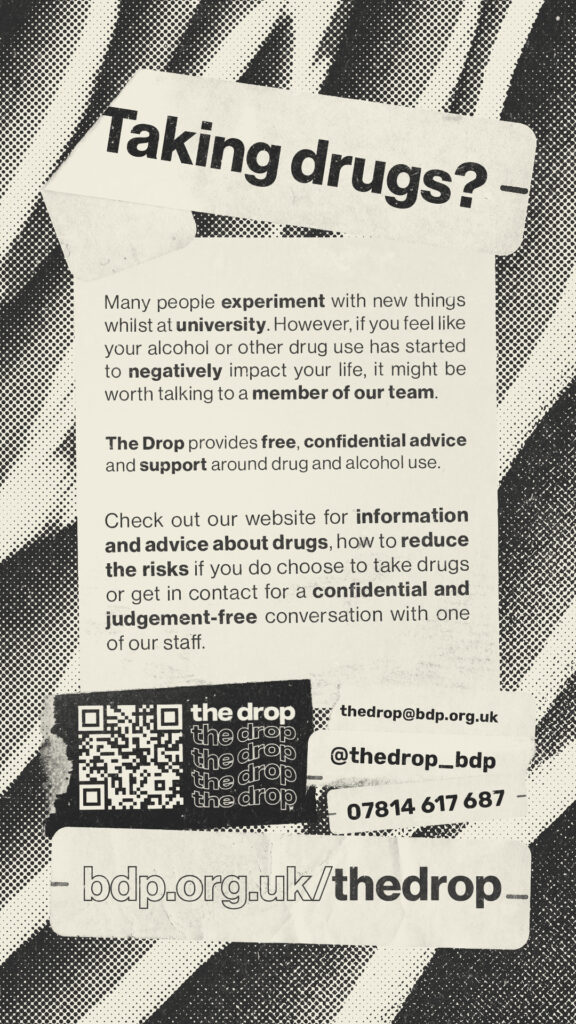
Our service The Drop is specifically aimed at students and others that attend club nights and festivals. The Drop is a harm reduction service that provides a variety of interventions to advise and support people around their alcohol and other drug use through informational campaigns and direct engagement at universities and venues.
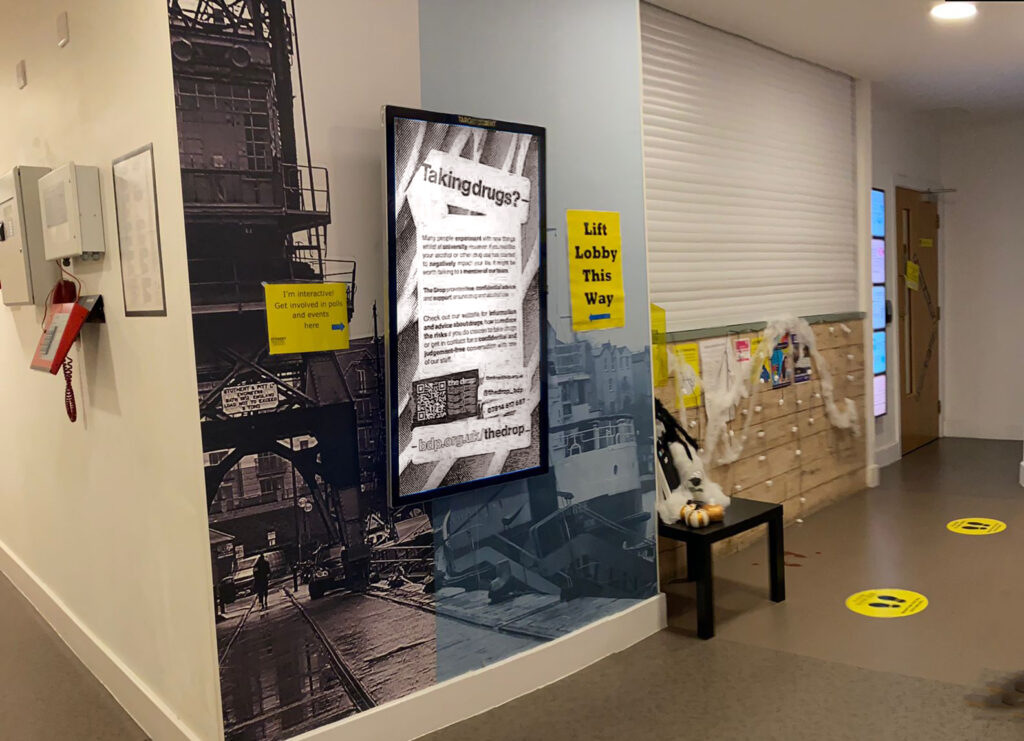
Our latest campaign has just been rolled out into halls of residence around Bristol via digital display boards in communal areas. This campaign is tailored to engage with new students and let them know where they can find advice and support from a member of The Drop team. We are very grateful to Target Students, the company that manages the panels, for the opportunity to advertise our services and messages directly to students in their accommodation and for offering us an advertising spot free of charge. The beauty of these digital boards is that we can swap out campaign materials as we wish so we can develop our messaging as the university year progresses, targeting times of the year where alcohol and other drug use might be higher.
This campaign builds on BDP’s ongoing campaign of supporting students in Bristol, including access to free reagent drug testing kits to University of Bristol students and having our outreach team and materials at club nights and festivals throughout the city.
Here’s our top harm reduction tips that you should use every time you plan on using drugs, whether its coke, ketamine, MDM…
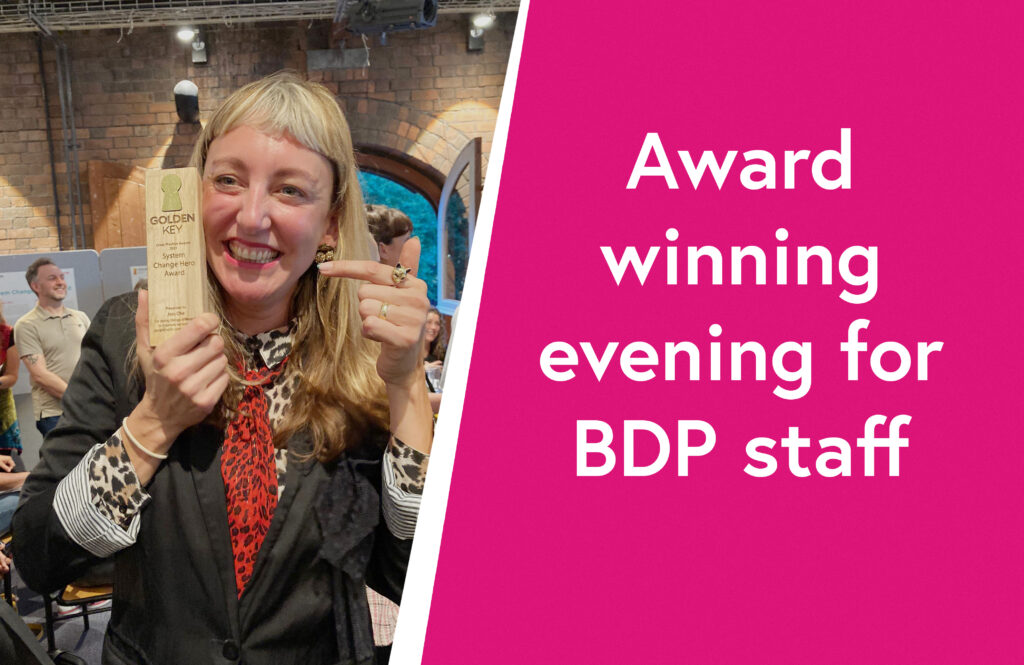
We had a fantastic evening at the Golden Key Great Practice Awards 2021 and are very proud to say that BDP staff picked up multiple awards on the night!
Golden Key is a Bristol-based organisation that works to improve services for Bristol citizens with the most complex needs. Every year they host the Golden Key Great Practice awards, which celebrate the individuals and organisations creating system change to improve outcomes for people with multiple disadvantages throughout services and healthcare in Bristol.
We are incredibly proud to say that we walked away with two awards; Darlene Wheeler and Nicky Auguste were awarded the Developing Trust Award and Jess Oke was awarded the Systems Change Hero Award.
Darlene and Nicky got the award for the part they played providing alcohol to physically dependant service users housed in emergency housing under the Everyone In initiative. The purpose was to engage and provide alcohol to alcohol-dependent service users to lower their risk of exposure to COVID due to their need to access alcohol to keep them from potentially fatal withdrawals.
Jess, our blood-borne viruses lead nurse, was awarded the Systems Change Hero Award for her unrelenting efforts to lower the barriers to testing and increase the numbers of people engaging with treatment following positive diagnosis to blood-borne viruses as Hepatitis C and HIV.
Massive thanks to everyone at Golden Key who organised the event and to everyone who voted; awards are not the reason we do the work that we do, but it’s great to have our staff’s hard work and dedication celebrated. After what has been a tough few years, we are especially proud of what our staff have achieved. They have not only learnt to cope in this new operational landscape but have actively innovated and created projects that improve our services. Looking forward, we are committed to tackling the barriers to accessing healthcare and support which are faced by the people we support.
On 27th November, A Celebration of life returns to St James church to bring people together from across Bristol and the South West to remember and celebrate the lives of friends or family members who they have lost through alcohol and other drugs. Although A Celebration of Life is held in a church, please be aware this is a none religious event and we warmly welcome people of any faith and none to attend.
This year’s event comes after the figures for drug-related deaths continue to rise year on year, going from 50.4 deaths per million to 52.3 deaths per million. This rise continues the figures upward trend and represents a tragic 60.9% increase since ten years ago in 2010.
These figures each represent a web of friends and family members who will be directly affected by the loss of someone close to them. A Celebration of Life aims to connect these people in a moment of shared celebration and remembrance for those no longer with us and give those who are grieving a feeling of collective support with other people with similar experiences.
“It gives an opportunity for those left behind to remember that their loved ones were not ‘just addicts’, but often beautiful, vulnerable people who, like us all, had so many other sides to their personality and lives. If you are attending for the first time, you can be sure that you will be listened to and understood by those around you. We all share the grief and often the burden of guilt that death through addiction can cause.”
A Celebration of Life is organised by Bereavement Through Addiction (BTA) a support network launched by two parents, Joan and Paul, who lost a child as a result of addiction in 2008. BTA’s monthly support group is here to help people make sense of their personal grief in a supportive, confidential and safe environment.
After a break last year due to the pandemic, A Celebration of Life returns to St James’ Priory for its 10th year. The event is free and open to everyone who would like to come. It will be led by Reverend Richard Pendlebury and feature a range of readings, memories and personal stories, and performances by the gasworks singers and Rising voices, Bristol’s recovery choir.
Contributions
We are looking for contributions both big and small for the event so if you would like to make a reading or simply just contribute a photograph to be included in the memorial presentation, please get in touch. In the past people have contributed all sorts of things like songs, poems, prayers or personal stories so if you feel inspired to share, please do so. To contribute, please email maggie.telfer@bdp.org.uk or call 0117 987 6006.
Last summer, our outreach team at BDP worked with colleagues from the Universities of Bath and Bristol to find out if people who inject drugs were being disproportionately affected by the virus, the fallout of lockdowns and social distancing. We wanted to know if service delivery could be adjusted to meet people’s needs under challenging circumstances. The work was funded by the Elizabeth Blackwell Institute at the University of Bristol.
Maggie Telfer, our Chief Executive, says:
“As streets and many services emptied, LUCID-B was able to illuminate the real-time experiences of people who inject drugs. It is a fabulous example of research at its best, informing service delivery in unprecedented times.”
A key finding was how appreciative people were of the effort many services made to continue supporting them during the pandemic. Home delivery of sterile injecting equipment from BDP was welcomed, as was the move to collecting drug treatment medication from pharmacies less often.
However, people told the researchers that engaging with telephone and online services was challenging, describing them as “just not the same”. Many people who were street homeless or vulnerably housed did not have a phone or the internet to access services, and local initiatives to provide phones were vital.
“… it was clear that people who inject drugs were likely to experience a lot of disruption and potentially be much more vulnerable as a result of COVID-19. We are grateful to BDP for their invaluable support, which enabled us to connect rapidly with this population.”
“Our findings highlight the importance of tailoring support to people’s needs, including economic, housing and mental health support, and offering outreach to those who can’t access services remotely. At the same time, the changes brought about by the pandemic could present an opportunity to rethink policy and practice.”
Dr Jo Kesten, from NIHR ARC West and the lead author of the study, said:
“This study continues our longstanding relationship with BDP. At the start of the pandemic, no one knew what would happen if we made rapid policy and practice changes for people who inject drugs.”
“This study helped us learn about the experiences of people who inject drugs during this unprecedented time. Our findings can help inform decision-making about which changes to continue. We particularly hope it will contribute to policy decision-making about drug treatment medication.”