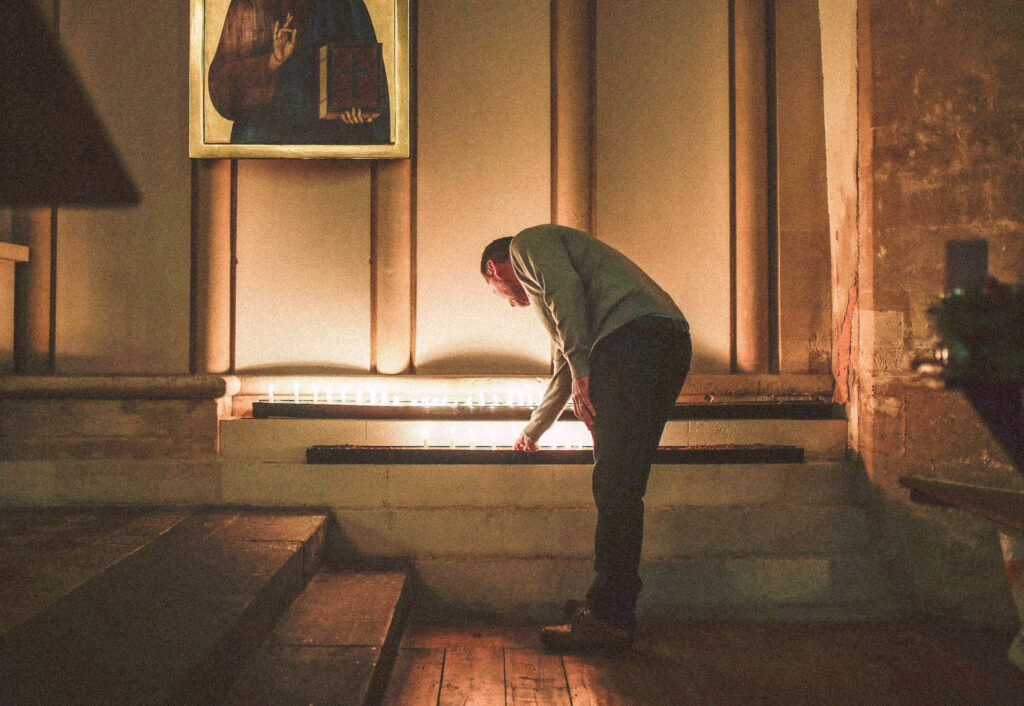
On 27th November, A Celebration of life returns to St James church to bring people together from across Bristol and the South West to remember and celebrate the lives of friends or family members who they have lost through alcohol and other drugs. Although A Celebration of Life is held in a church, please be aware this is a none religious event and we warmly welcome people of any faith and none to attend.
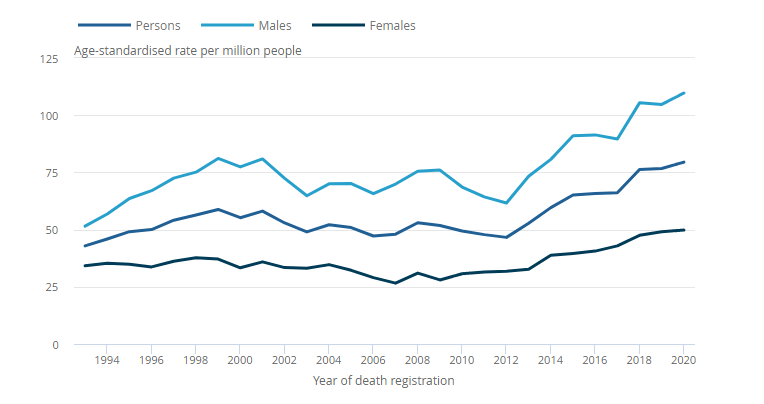
This year’s event comes after the figures for drug-related deaths continue to rise year on year, going from 50.4 deaths per million to 52.3 deaths per million. This rise continues the figures upward trend and represents a tragic 60.9% increase since ten years ago in 2010.
These figures each represent a web of friends and family members who will be directly affected by the loss of someone close to them. A Celebration of Life aims to connect these people in a moment of shared celebration and remembrance for those no longer with us and give those who are grieving a feeling of collective support with other people with similar experiences.
“It gives an opportunity for those left behind to remember that their loved ones were not ‘just addicts’, but often beautiful, vulnerable people who, like us all, had so many other sides to their personality and lives. If you are attending for the first time, you can be sure that you will be listened to and understood by those around you. We all share the grief and often the burden of guilt that death through addiction can cause.”
A Celebration of Life is organised by Bereavement Through Addiction (BTA) a support network launched by two parents, Joan and Paul, who lost a child as a result of addiction in 2008. BTA’s monthly support group is here to help people make sense of their personal grief in a supportive, confidential and safe environment.
After a break last year due to the pandemic, A Celebration of Life returns to St James’ Priory for its 10th year. The event is free and open to everyone who would like to come. It will be led by Reverend Richard Pendlebury and feature a range of readings, memories and personal stories, and performances by the gasworks singers and Rising voices, Bristol’s recovery choir.
Contributions
We are looking for contributions both big and small for the event so if you would like to make a reading or simply just contribute a photograph to be included in the memorial presentation, please get in touch. In the past people have contributed all sorts of things like songs, poems, prayers or personal stories so if you feel inspired to share, please do so. To contribute, please email maggie.telfer@bdp.org.uk or call 0117 987 6006.
Last summer, our outreach team at BDP worked with colleagues from the Universities of Bath and Bristol to find out if people who inject drugs were being disproportionately affected by the virus, the fallout of lockdowns and social distancing. We wanted to know if service delivery could be adjusted to meet people’s needs under challenging circumstances. The work was funded by the Elizabeth Blackwell Institute at the University of Bristol.
Maggie Telfer, our Chief Executive, says:
“As streets and many services emptied, LUCID-B was able to illuminate the real-time experiences of people who inject drugs. It is a fabulous example of research at its best, informing service delivery in unprecedented times.”
A key finding was how appreciative people were of the effort many services made to continue supporting them during the pandemic. Home delivery of sterile injecting equipment from BDP was welcomed, as was the move to collecting drug treatment medication from pharmacies less often.
However, people told the researchers that engaging with telephone and online services was challenging, describing them as “just not the same”. Many people who were street homeless or vulnerably housed did not have a phone or the internet to access services, and local initiatives to provide phones were vital.
“… it was clear that people who inject drugs were likely to experience a lot of disruption and potentially be much more vulnerable as a result of COVID-19. We are grateful to BDP for their invaluable support, which enabled us to connect rapidly with this population.”
“Our findings highlight the importance of tailoring support to people’s needs, including economic, housing and mental health support, and offering outreach to those who can’t access services remotely. At the same time, the changes brought about by the pandemic could present an opportunity to rethink policy and practice.”
Dr Jo Kesten, from NIHR ARC West and the lead author of the study, said:
“This study continues our longstanding relationship with BDP. At the start of the pandemic, no one knew what would happen if we made rapid policy and practice changes for people who inject drugs.”
“This study helped us learn about the experiences of people who inject drugs during this unprecedented time. Our findings can help inform decision-making about which changes to continue. We particularly hope it will contribute to policy decision-making about drug treatment medication.”
The ONS Deaths Related to Drug Poisoning in England and Wales: 2020 registrations was published earlier today (3 August 2021).
This is complicated data – showing deaths that were registered during a year and not when they happened but it does gives us year on year trends – and shows 3.8% more deaths were registered in 2020 in England and Wales than were in 2019 and sadly reporting the highest number of deaths – 4,561 people, since records began in 1993.
Deaths where cocaine featured rose by 9.7% between 2019 and 2020 and an increased proportion of deaths involved a benzodiazepines or the gabapentins – likely reflecting a real increase in web and street supplies which we have seen continue into 2021.
Two thirds of deaths reported in 2020 were due to drug misuse; with the highest numbers in our North East towns and a stark North/South divide.
In Bristol the ONS data shows a fall in deaths due to drug misuse – from 41 registered in 2019 to 38 in 2020 but when you look at other data in the report (age standardised mortality per 100,000 population) Bristol has a rate of 8.9 deaths compared with the England rate of 5 per 100,000. Here at BDP we are committed to widespread provision of Naloxone – with over 1,000 doses given out in 2020/21 – and with funding from the new ADDER programme will soon start providing the nasal form of Naloxone which is more likely to be carried.
Every death is one too many and the impact for those left behind hurts forever. Here at BDP we run a monthly support group for people who have lost a loved one to drugs or alcohol which has people from across and way beyond our region getting support: For more information about this telephone 0117 987 6000
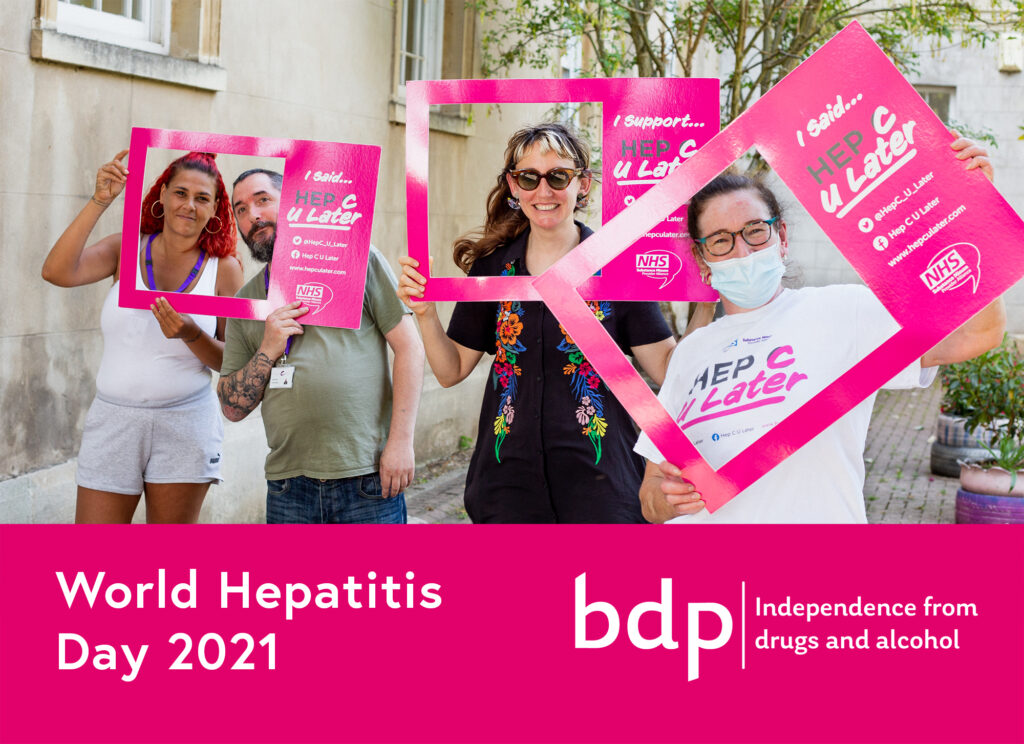
Today marks World Hepatitis Day. World Hepatitis Day aims to bring awareness to hepatitis and to shine a light on the efforts being made to tackle hepatitis and other blood-borne viruses.
So what is hepatitis?
Hepatitis is a viral infection that affects the liver, causing it to swell and cause pain. There are 5 viruses that can cause viral hepatitis, but the two we generally see within our service users are hepatitis B and hepatitis C.
Hepatitis C
Hepatitis C is a treatable blood-borne virus that can have serious health implications. Hep C is by far the most common form of hepatitis that we see here at BDP. Like other hepatitis infections, hepatitis C causes swelling to the liver, which can lead to liver damage. Chronic infections can lead to potentially fatal conditions such as liver cancer, cirrhosis and liver failure. Infection often occurs with limited or no symptoms, so it is important to get regularly tested if you are in a high-risk group.
Hepatitis C is spread through contact with blood from an infected person. This includes sharing injecting equipment, sharing snorting tubes, sharing toothbrushes, scissors, razors, and unprotected sex. It is estimated that almost 90% of hepatitis C cases in the UK occur in people who inject drugs or have injected in the past.
Treatment of hepatitis C has moved along a lot from previous methods that had considerable adverse side effects. Hep C is now treated by a course of daily tablets that lasts 2 – 6 months.
Testing for hepatitis
Testing for hepatitis is straightforward and takes about five minutes. The most common testing method is by dry blood spot where a small sample of blood is collected from a finger. Your results will then be sent to you or provided to your BDP worker if you are already enrolled in one of our services. If positive, you will be contacted by hepatology to start treatment as soon as possible.
To get tested, please come to BDP’s Health and Harm Reduction Centre at 11 Brunswick Square, Bristol, BS2 8PE. Testing is completely free and confidential. For any questions around hepatitis and testing, don’t hesitate to get in touch with us.
For most of you, it’s been over a year since you last let loose on a dancefloor which means you might be a bit out of practice. After such a long break, it’s important to refresh on some of the harm reduction advice that might’ve been forgotten, especially with lowered drug tolerance and so much pent up excitement. Remember that harm reduction is about reducing risk, so your night out is one to remember (and doesn’t end at 9pm in a taxi home).
#startlowtakeitslow
There’s going to be a lot of pent up energy being released this summer, so please pace yourself! Alternate between alcoholic and non-alcoholic drinks and if you’re using other drugs, start with a test dose and wait at least an hour before redosing.
Avoid mixing
Combining drugs (including alcohol!) significantly increases the risks. Try to stick to one for the night. If you’re going to mix, check how different substances interact and use a lower dose of each drug than you usually would.
Look Out for Your Mates
It’s going to be hectic out there so keep an eye on each other. If someone looks like they’re having a shit time, find a quieter spot and check in with them. Tell each other what you’re taking and don’t pressure anyone to do anything they don’t want to.
Hydrate
Water is your friend, so make sure you drink enough of it – half a pint to a pint of water an hour is ideal. Go for the higher end of that scale if you’re dancing/hot and sweaty. Take a breather from the dancefloor now and then to give yourself a chance to cool down.
Plan your Journey Home
Make sure you and your mates can get home safe. If you’re making your way home alone, share your location with someone you trust so they can see when you get back. Don’t drive if you’ve used alcohol or other drugs.
Safe Sex
Alcohol and other drugs affect our judgement. Think about how this might be affecting your and your potential partner’s ability to consent to sex. Only proceed if you’re sure you’re both keen. Carry contraception and make sure you use it! You can pick up free condoms and lube from BDP. If it’s been a while since your last sexual health screening, you can order a home test kit.
Managing Emergencies
If you or your mates use drugs, it’s really important you know what to do in a drug-related emergency because it’s likely that if something goes wrong, you’ll be aware before security/a steward/a medical professional.
The Drop Team With clubs closed and festivals cancelled for the foreseeable future, it’s totally understandable that peopl…
Have you lost touch with playing music through your drug and alcohol use? Can you play an acoustic instrument?
BDP is excited to host 3 days of FREE summer music workshops for anyone affected by drug and alcohol problems who can play an acoustic instrument to beginners standard
Led by Jonathan James with support from musicians from Bournemouth Symphony Orchestra and Bristol Recovery Orchestra – the workshops will be based upon themes of re/connecting to community, recovery and creativity whilst living through a pandemic. Days 1 and 2 will be open workshops and day 3 will be for people who would like to take part in a filmed performance with Bournemouth Symphony players to showcase what we have created.
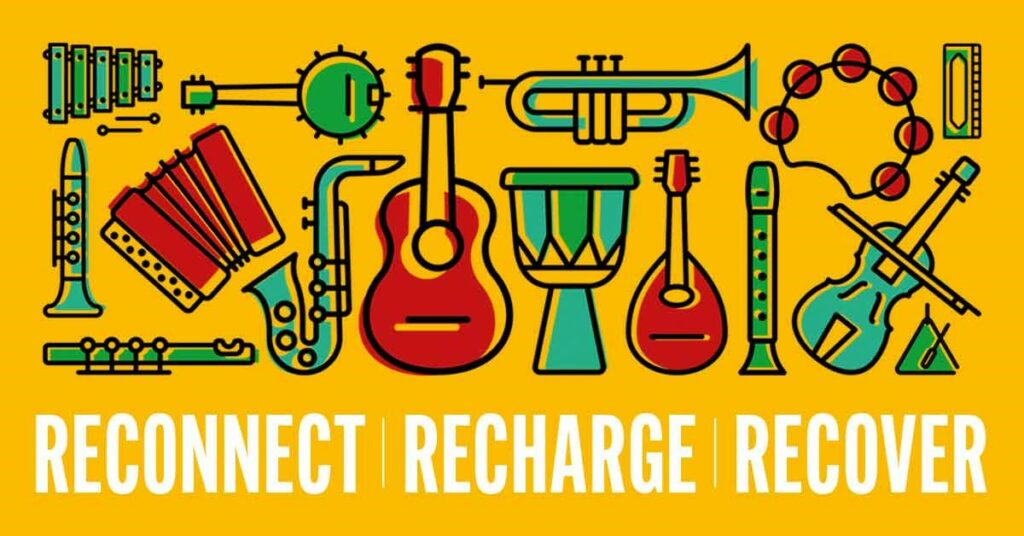
Our event will provide a space to reunite the recovery community post lockdown to Reconnect, Recharge and Recover through music-making. We will mark who and what has been lost through the pandemic and celebrate the importance of human connection for healthy and thriving communities.
BDP has run weekly music groups for the recovery community in Bristol since 2014. These sessions continued throughout the pandemic, where we ran the sessions both online and in-person, which has proven to be a lifeline for the attendees during a difficult time.
The details:
Reconnect Recharge Recover will take place on 15th – 17th of July and will be hosted at Redland Park URC, Whiteladies Road, Bristol, BS6 6SA. Booking for the event is essential due to limited spaces because of COVID restrictions. There will be a handful of instruments available for use on the day and lunch will also be provided.