02.04.26
6 minute read

A very special and unique film is coming to cinemas on April 24th this year – one that attempts to explain, or at least to bear witness to, the complicated intersections between music, addiction and relationships.
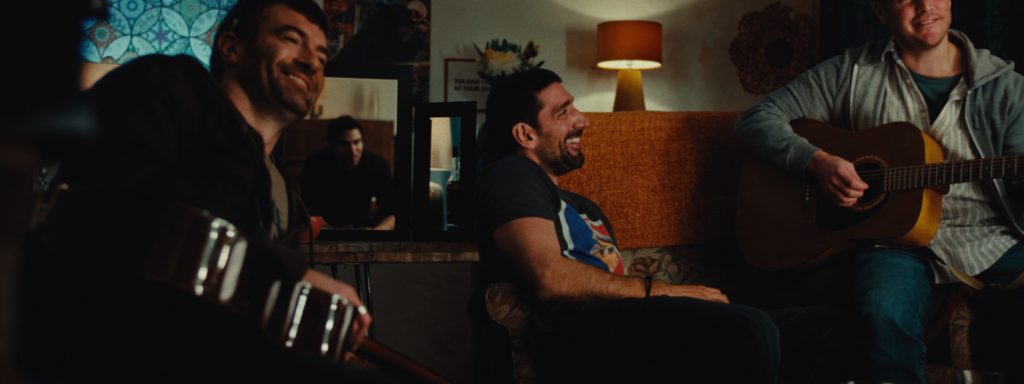
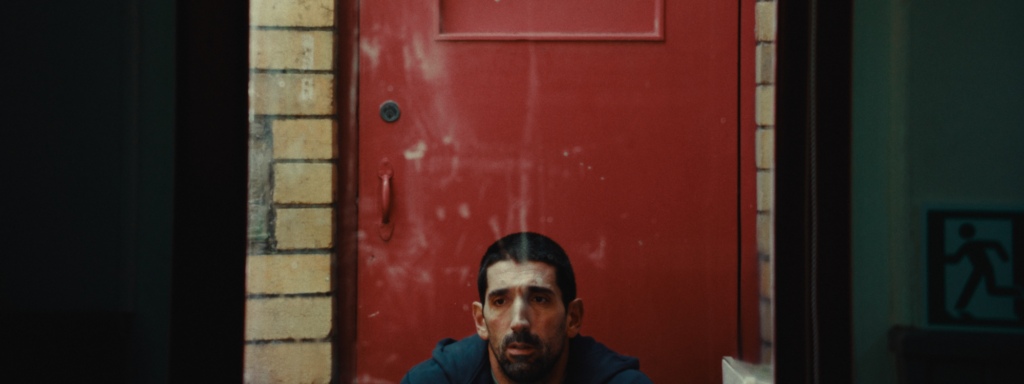
It is this reality – the messy plurality of drug use – that is captured in Surviving Earth, the debut feature film by writer/director, Thea Gajić. Themes of relationships, parenting, drug use, relapse, resilience after trauma, and survival through music are delicately and accurately played out through Thea’s telling of her own lived experience. Surviving Earth is based on the true story of her father, Vladimir Gajić, and centres on his life after arriving in the UK in the 1990s, having fled the conflict in the former Yugoslavia. Set in Bristol in 2015, the story focuses on his life post rehab, his relationship with his daughter (Maria in the film), working as a drugs worker whilst also pursuing success with his Balkan band, Fuzia.
The story in the film is from the daughter’s perspective, and tenderly explores the ways children navigate living alongside parental drug use when drugs and alcohol are the unwelcome third person in their lives.
It has a particular resonance to BDP in that its lead characters, Vlad, Duncan and Misko, were group workers here for many years and were part of the music sessions that marked the beginnings of Creative Communities. Although Vlad’s story is the basis of the film, Misko also passed away just before the film went into production, adding an extra layer of poignancy for those that knew and worked with them.
Filmed at iconic Bristol locations like The Thekla, The Jam Jar and St. Nick’s Market, it also features many Bristol musicians on the soundtrack.
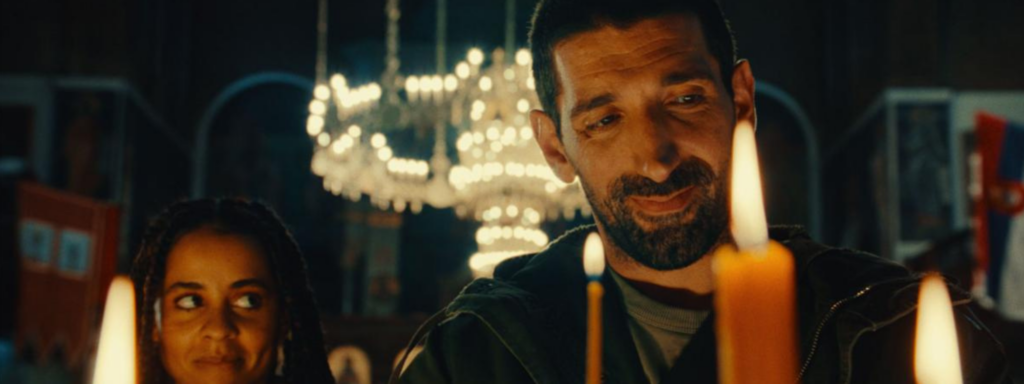
Although the fictional drugs project is called 1210, it references the stark reality of heroin use in that 1210 quotes the number of UK heroin deaths in 2015. The film touches so many intersections of drugs work and recovery that cross between personal and the professional, and it will no doubt have a particular resonance for anyone whose life has been touched by addiction in some way. Our field, and BDP, is full of people with lived experience, which brings invaluable insight, knowledge and understanding. But lived experience can also make it hard to ask for help when you’re maintaining a job in the drugs field, as well as having other responsibilities.
BDP seeks to address this by ensuring the message to staff is that lapses are first and foremost a health concern that needs specialist support and care, not the threat of losing a job. Our traineeship was also developed as a way of wrapping extra support around people with lived experience who are transitioning into working in the field.
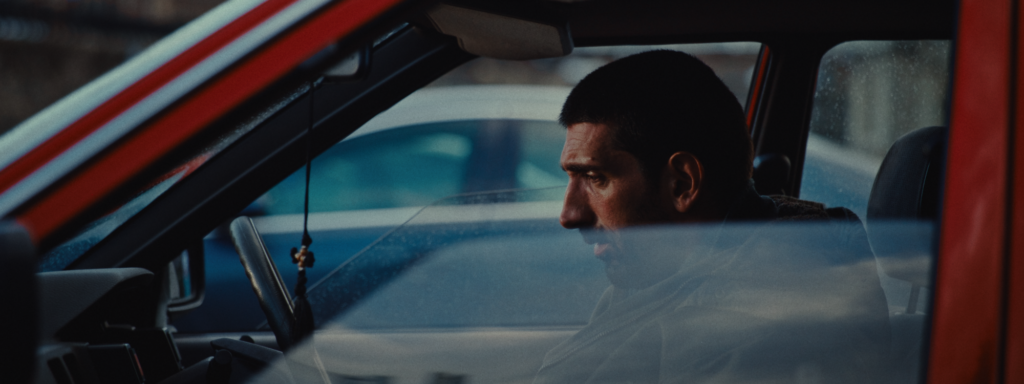
Portraying the reality of drug use on film is rarely portrayed well on the big screen, it being much easier and palatable to portray stereotypes and black and white thinking. Slavko Slobin’s portrayal of Vlad is a welcome respite from this. He manages to capture the charm of someone who inspires love and loyalty despite repeatedly inflicting damage on those closest to him.
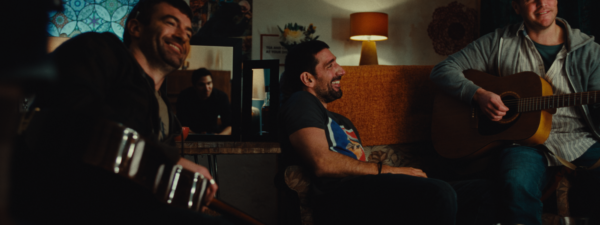
What Slavko, and the film, also brilliantly portray, is the passion and drive that music and creativity can inspire in someone in the shadow of trauma. In the film, Vlad lives out his dreams of playing music from his homeland with his friends, pushing them to take bigger financial and personal risks to achieve it. Music brought and bound the friends together, tumbling through gigs and parties, fall outs and reunions.
As in real life, music also created situations where risk of relapse was present – working in a night time economy and culture which is infused with alcohol and drugs. Many musicians come into recovery unsure if they can or want to carry on playing music when it has represented and had links to drink and drug use.
It’s in this context that we created Bristol Recovery Orchestra in 2019, as part of BDP Creative Communities. Whilst Rising Voices Choir is our longest standing group, and the only one Vlad was witness to, it’s the orchestra which particularly resonates with Surviving Earth. Partnered with Bournemouth Symphony Orchestra, we are an orchestra in the loosest sense of the word – we welcome musicians of any background and instrument – the only criteria is to be able to play your instrument enough to be able to follow a structure, and to have lived experience. Today the orchestra has several members that knew and played music with Vlad.
Alex, a musician with years of gigging experience previous to joining Bristol Recovery Orchestra, says;
“For someone like me with a lived experience of drug abuse, mental illness and trauma, working with an orchestra whose members share similar lived experiences, gives us a great camaraderie in our process of growth and understanding of music and recovery.”
For others, it’s a new experience that gently nudges people out of their comfort zone to create an incredible shared experience, that is also passed onto our audiences:
“Watching broken people learning to smile, laugh, connect and to feel apart of is a wonderful experience, the joy in the room when we perform our concerts has to be experienced” (anon)
Surviving Earth is well worth an hour and a half of your time this April – go see it, support independent film, and help shine a light on the complexities, beauty and pain that lie behind every drug related death. And when we get together on the stage of St. George’s in November to celebrate 40 years of BDP, we’ll also play music that reflects those who aren’t with us any more, but whose creativity lives on through us.
Surviving Earth has pre screenings and Q & A’s with Thea at The Watershed on April 9th and The Odeon on April 10th. It’s released in cinemas on April 24th.
Links
@survivingearthfilm
@metisfilmsuk
02.04.26
6 minute read
Bristol Drug Project
A very special and unique film is coming to cinemas on April 24th this year – one that attempts to explain,â€...