A safety warning has been issued in Bristol due to a batch of heroin increasing the chance of overdose following an unusually high number of serious, heroin-related health incidents. Six people have tragically died, and many more have needed emergency medical care.
Taking heroin is always dangerous, but fluctuations in the supply can have tragic consequences for those who use it. It is unclear how far spread this batch is within the city, and there have not been consistent reports on how it looks or prepares, so we would encourage anyone who uses heroin to be very careful.
Some ways you can stay safer if you are taking heroin are:
Avoid using heroin when you’re alone. If you do, try to make sure someone is available to check in on you afterwards.
Don’t use heroin with other drugs that suppress your respiratory system, such as alcohol, benzodiazepines and pregabalin.
Carry naloxone at all times – it could save someone’s life.
Contact BDP to talk to an expert drugs worker. We can provide naloxone, safer use advice and access to a variety of treatment options that could reduce your risk of overdose.
The most powerful tool we have to prevent death from overdose is naloxone. Naloxone is a drug that temporarily reverses the effects of an opioid overdose. BDP is working closely with partners, including the police, public health and other front-line agencies, to reduce the impact of this batch of heroin, raise awareness of the potential dangers and offer free training in naloxone administration.
Lydia Plant, Treatment Services Manager at Bristol Drugs Project (BDP) said: “Over the last ten days, countless people’s lives have been saved by naloxone. BDP can issue naloxone for free to anyone that needs it – you may be able to save someone’s life with it. Whether you use heroin, live with someone who does or might come across someone overdosing in your community or as part of your job, please visit our website or drop in to BDP to pick some up.”
She continues, “Despite the tragic situation, it has been heartening to see how effectively all of the different partner agencies across the drug and alcohol sector, criminal justice sector and Bristol City Council have pulled together to put strategies in place to mitigate the risk to people’s lives.”
If you are concerned about yourself or someone else, please get in contact. You can call us on 0117 987 6000, Email info@bdp.org.uk or visit 11 Brunswick Square, Bristol, BS2 8PE. More details can be found on our website here www.bdp.org.uk.
For any press request, please get in touch with BDP Communications Lead George Herbert on george.herbert@bdp.org.uk or call 07800 721506
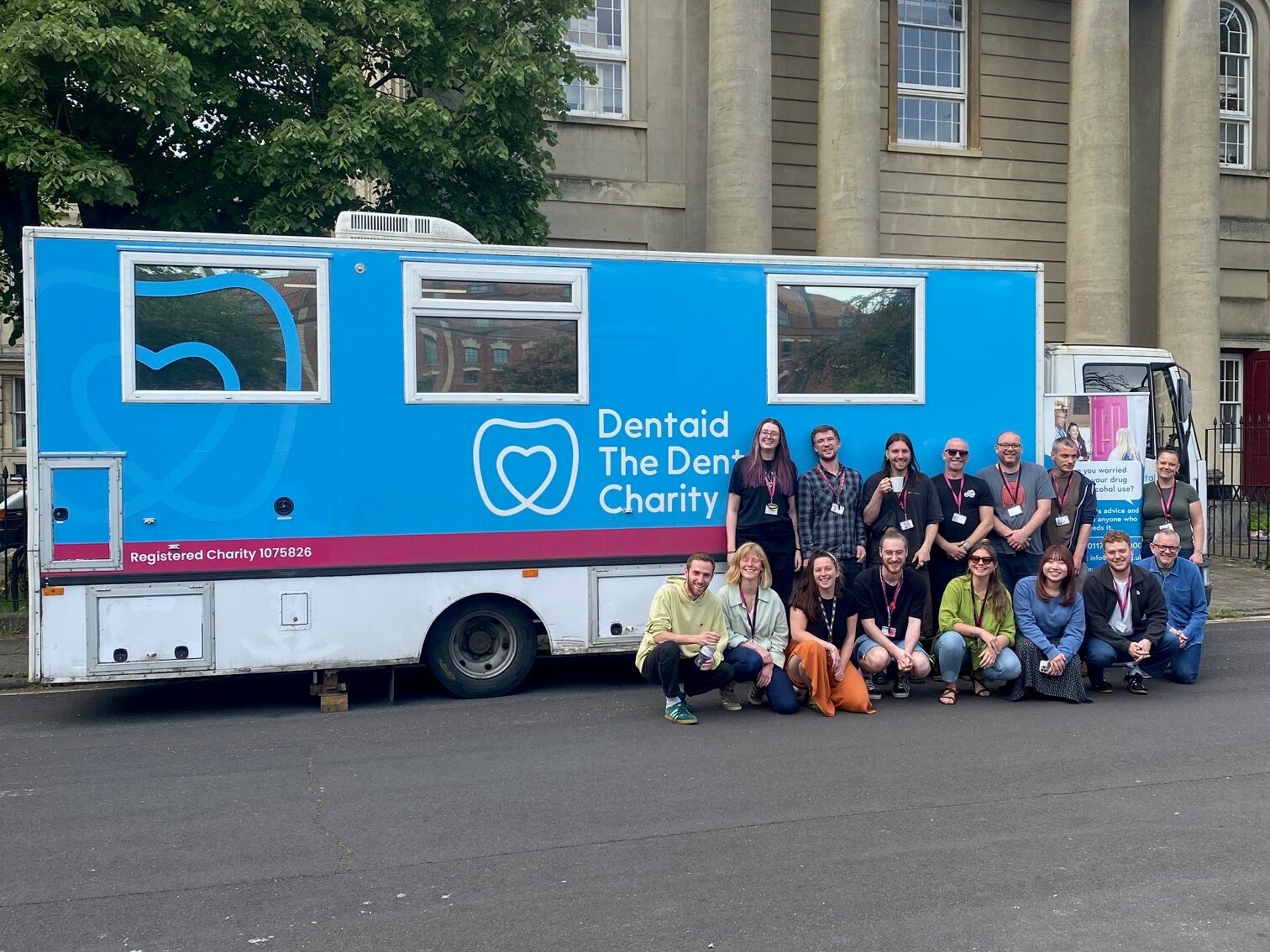
BDP team member alongside the Dentaid mobile surgery
Oral health problems are among the most prevalent health problems associated with drug addiction (1). Many of the people we support struggle with their dental health through numerous compounding factors. These include:
Access to NHS appointments is extremely limited and getting worse. (2)
Opioids increase teeth grinding, give people cravings for sweet foods and numb pain, meaning people can ignore developing and ongoing issues. (3)
For someone who is dependent on a substance like alcohol or opioids, dental health is likely to be a low priority compared to not becoming sick from withdrawal. (3)
Stigma, embarrassment, and previous negative experiences in dental settings can be barriers to people accessing the support they need. (4)
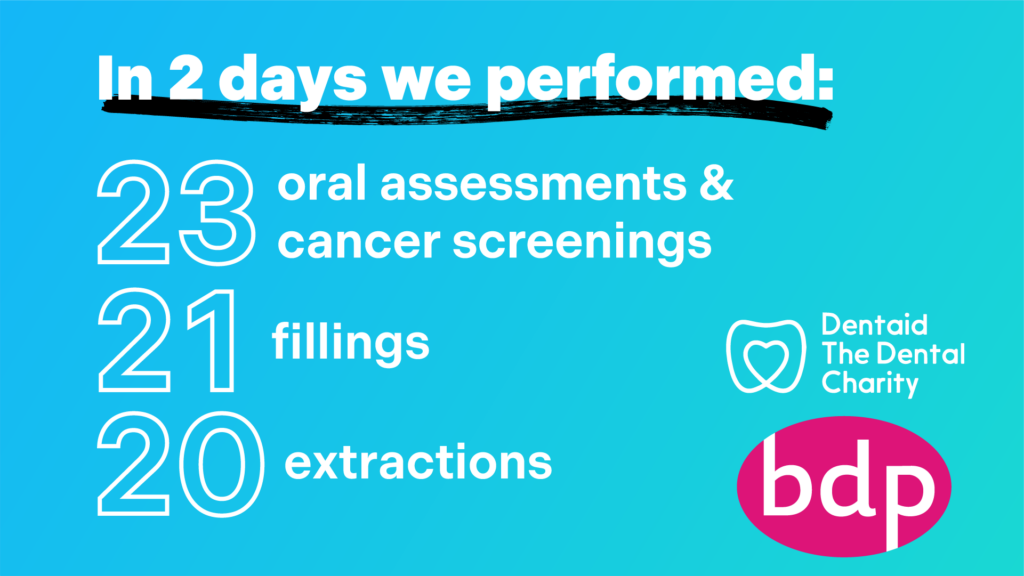
In collaboration with dental health charity Dentaid, we ran two days of dental appointments for people engaged in BDP services from our location in Brunswick Square. Participants received a check-up, could talk to a dentist about any issues they were having and had emergency procedures, including fillings and extractions as needed. Over the two days, we had 23 people with dental issues and barriers to treatment seen by a dentist. The patients were booked in by staff across our services and an allocated Engagement worker who supported them to their appointment. If there were any no-shows on the day, these slots were filled by walk-ins from our advice centre.
Over the two days, we performed:
23 oral assessments
23 cancer screenings
21 extractions
20 fillings
Total of 119 separate treatments between the 23 people
Janet*, who used the service on the day, said:
“Previous bad experiences put me off from going to the regular dentist; I didn’t trust them. Because of who BDP is, the organisation, I trusted it straight away.
It was a really good experience; it’s made me want to follow it up and get more work done. Because of my self-confidence and being so embarrassed about my mouth – I didn’t go places or do anything that I would normally do. “
*Name changed for privacy
References:
(1) Met and unmet need for dental services among active drug users in Miami, Florida, Metsch, Crandall, Wohler-Torres et al. The Journal of Behavioural Health Services & Research, 2002
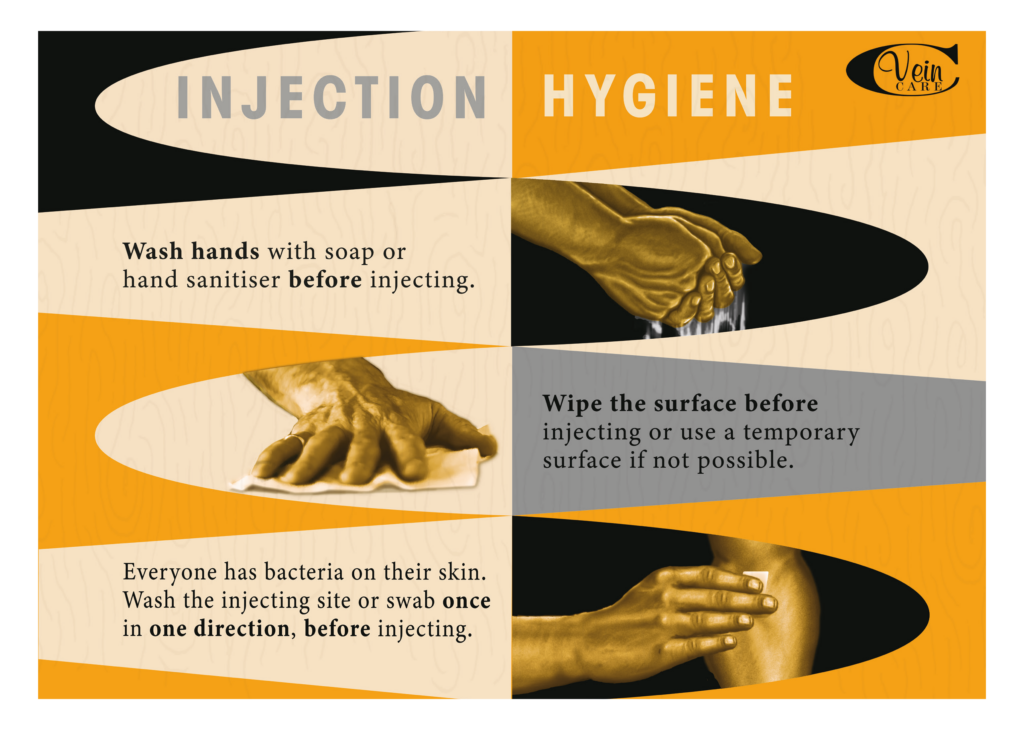
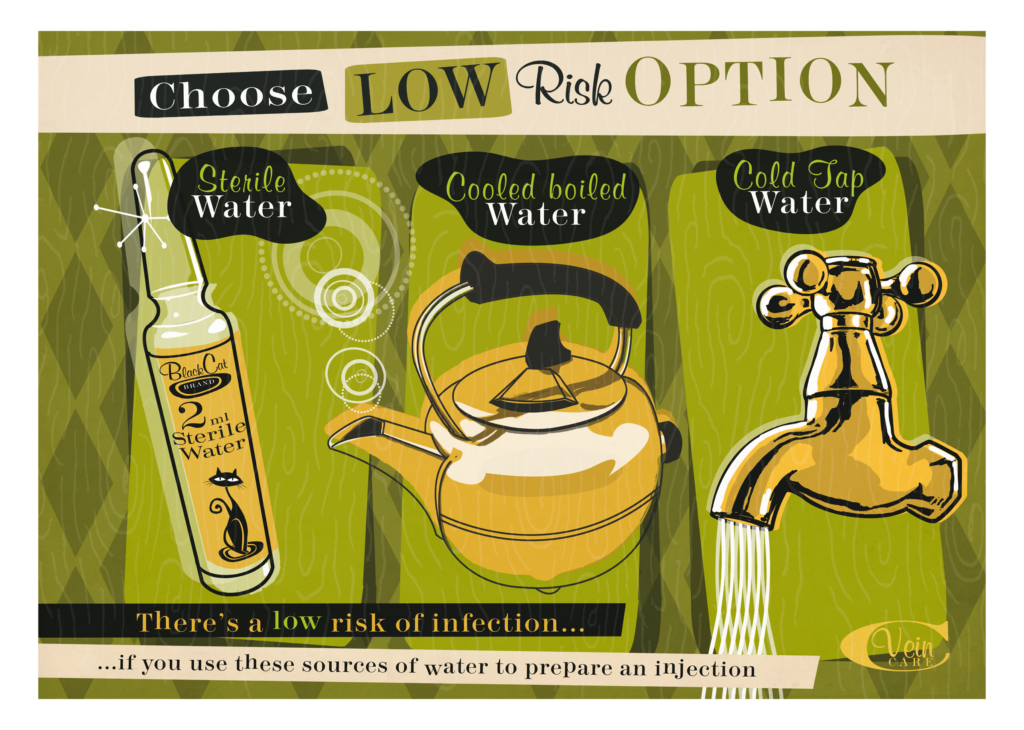
We are delighted to announce the release of a new set of safer injecting materials we were part of creating. The materials were co-produced by people who inject drugs, service providers, including ourselves and key stakeholders, including researchers from the University of Bristol, Exchange Supplies and Linnell Communications. They are designed to support positive, non-judgemental conversations between service providers and their clients. We supported the research by connecting researchers with people who inject drugs who use our services and select members of our team who specialise in injecting, giving their feedback on the materials.
This work is vital as injecting-related injuries and infections are a leading healthcare concern for people who use drugs. Last year at least half of the people who inject drugs developed a bacterial skin infection. The most common bacterial infections include ulcers, abscesses and cellulitis. These infections can lead to complications such as gangrene, amputation, and endocarditis (infection of the heart). Vein access and reducing pain is also a priority for people who use drugs, and these resources will help meet this need for those who inject drugs.
The materials are all available for free via the University of Bristol’s express licensing portal. The toolkit includes:
Introduction manual, instructions for using the intervention materials, and a ‘questioning and resources’ guide to accompany it.
A link to a short online course for service providers to provide the necessary information and knowledge underpinning the delivery of the materials.
Toolkit consisting of cards covering the following areas:
We are passionate about collaborative and user-focussed research projects, so we are very proud to have contributed to these valuable materials that will help to improve the health outcomes of people who inject drugs.
To celebrate International Women’s Day 2023, we are sharing some insight into how services can positively impact the experience of women by looking at the free crèche we offer during our weekly Women’s Morning. International Women’s Day is a day to celebrate the strength, courage, and resilience of women around the world. However, it is also a time to acknowledge the unique challenges women face, particularly those with caring responsibilities and a negative relationship with drugs and/or alcohol.
Women’s Morning is our weekly open-access support group for women to join in a safe and supportive therapeutic setting. During the session, the attendees can also speak to one of our expert team of drug workers. Our crèche, staffed by professional crèche workers, is open for children under 5s. This isn’t a radical concept but remains an unusual provision in drug services.
Access to treatment
Being responsible for children is a significant barrier for women to access drug and alcohol treatment. Providing free childcare removes the worry of cost and availability of childcare.
Consistency in treatment
Consistency has been shown as a leading factor in the benefits people see when working with drug and alcohol services. The lack of affordable childcare is a barrier to attending regularly. By providing free childcare, women are more likely to be available to attend more sessions leading to more consistent engagement and better outcomes.
Reduced stress
Accessing drug and alcohol treatment while caring for young children can be stressful. Stress can be an emotional trigger leading to familiar patterns of further drinking or drug use to cope. Free childcare can help alleviate this stress and allow women to focus on their goals.
Improvements in children’s wellbeing
Being a parent can be incredibly challenging at the best of times. Dealing with the complex issues surrounding drug and alcohol use can make it especially so. Free childcare improves outcomes for the women attending the group, which in turn, gives better outcomes for children .
We are committed to making our services appropriate for the needs of our community. Every member of our community deserves the ability to access our services freely, and we continue to work to remove the barriers and stigmas faced by people who use drugs and/or alcohol in Bristol.
Want to attend the group?
Women’s Morning runs weekly from 11am-1pm on Wednesdays. The group is open access meaning anyone can turn up on the day – no appointment needed. If you wish to use the free crèche service, we do, however, request that you get in contact beforehand so we can organise with our external crèche worker.
If you have any questions or would like to book a spot in the creche, please contact us via 0117 987 6000 or by email to info@bdp.org.uk
We are very sad to announce the death of our Chief Executive, Maggie Telfer OBE, who died on 12 January, aged 63.
Maggie, along with a group of probation officers, founded BDP in 1986 in response to the lack of support for people who used drugs and alcohol in Bristol at that time. Maggie was instrumental in BDP’s early pioneering work in a highly charged city environment. Since then, BDP has led the way as a provider of Bristol’s services for the people, families and communities affected by drugs or alcohol. Her immense knowledge, experience, determination and foresight has led BDP to become a much-trusted service provider.
Maggie’s work was defined by her drive to challenge the inequality and stigma faced by some of the most vulnerable people in our society. The Charity has worked alongside local government, health, education, police and community agencies to reduce harm and help people fulfil their potential, leading to safer and healthier lives. As a result, Bristol is now widely recognised as being at the leading edge of tackling the issues surrounding drug and alcohol use.
From 2002 – 2004 Maggie was key to establishing the Omari Project in Kenya, the first sub-Saharan needle exchange and treatment programme. She remained passionate about services reaching the most marginalised.
In 2007, Maggie was awarded the OBE in recognition of her achievements. More recently, in 2018 she was nominated as one of the 100 Most Influential Women in the West. Maggie led BDP through the pandemic, maintaining services without interruption with her usual determination to provide the best service possible to those most in need. Her work has a local, national and international reputation, earning many accolades. She was much sought after as an expert speaker both around the UK and abroad.
BDP’s Chair of Trustees, John Long, said, “We are all devastated by the loss of a much-loved colleague. She has led the Charity from strength to strength, across five decades. Maggie’s leadership, compassion and indomitable spirit inspired all around her. Our sadness will be matched by the sorrow of many people and their families whose lives were improved and transformed by her work. The City of Bristol has lost one of its truest champions. Our thoughts are very much with Maggie’s family at this difficult time.”
We are very excited to be part of a partnership of organisations launching a city-wide harm reduction approach to drugs in the night-time economy.
The campaign brings stakeholders from across the night-time economy, such as licensing bodies, the police, drug services, venues and the public together to tackle the unintended harms of zero-tolerance policies and make Bristol’s nightlife safer for everyone who uses it.
This is the first campaign of this scope in the UK and we hope it will serve as a model to help introduce more pragmatic approaches to people’s safety in the night-time economy across the country.
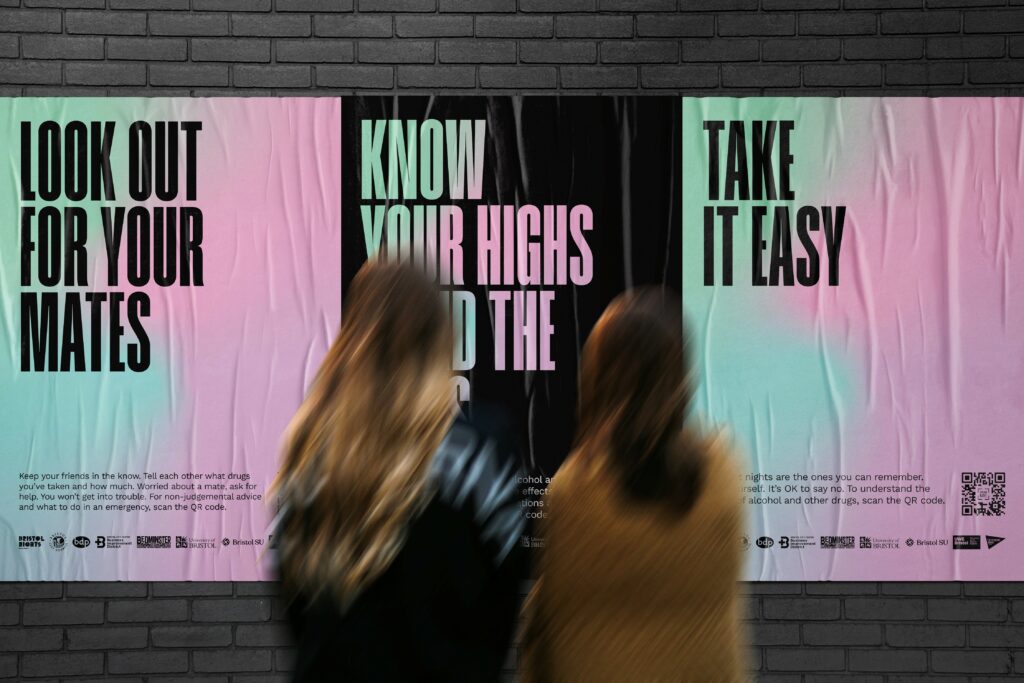
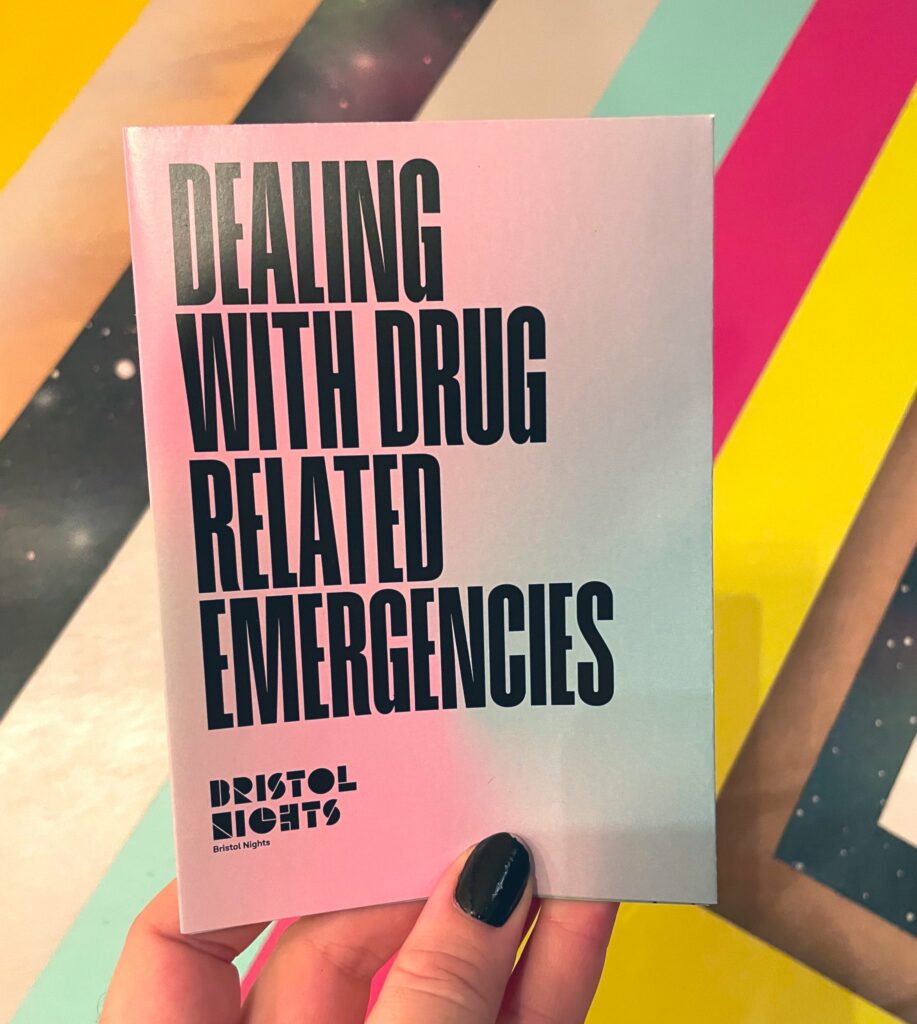
As part of the campaign, there will be a set of posters printed and displayed across the city promoting harm reduction messaging to the public, a fold-out pamphlet to inform venue staff of what to do in a medical emergency, and a larger guide for venue owners, promoters and other licensed operators on how to embed harm reduction philosophies in nightlife spaces.
Booklet for training venue staff on dealing with drug-related emergencies
Sorcha Ryan, BDP’s Club and Festival Harm Reduction Lead, said
“BDP has been delivering harm reduction services in the night-time economy for many years, so we fully support this campaign and the city-wide shift towards safer nightlife that it represents.
“Zero-tolerance approaches to drug use in the night-time economy are ubiquitous in the UK. With drug and alcohol deaths rising year-on-year, this collaborative project is both needed and timely. We welcome the breadth of organisations involved in the project. To be effective, an approach like this needs complete buy-in from all parties operating in the night-time economy, including the police, licensing bodies and venues.
“We are particularly pleased to have contributed to the Harm Reduction Handbook element of the project, which is designed to provide guidance on managing drug use and drug-related emergencies for venues and their staff. Venues, and the people who work in them, often represent the first line of response in medical emergencies, so ensuring these individuals are confident to respond is vital for keeping people safer.
“The project presents a unique opportunity for Bristol to tackle some of the unintended consequences of a zero-tolerance approach, such as people feeling unable to access medical support in a drink/drug-related medical emergency due to fear of punishment. We hope this city-wide campaign will empower venues to prioritise the safety of their customers, encourage people who use the night-time economy to look out for each other and support people to make safer decisions about their use of alcohol and other drugs.”